
New year-to-date data from Salina Animal Services shows the department has managed one of its highest-volume years in recent memory, with significant activity across intakes, adoptions, reclaims, and medical procedures through the end of November. The figures were included in the Parks & Recreation Advisory Board’s December meeting packet.
According to the report, 1,595 animals have entered the shelter so far in 2025, reflecting a continued high demand for animal control response and sheltering services. The intake total includes strays, owner surrenders, seized animals, and public-safety calls routed through law enforcement and dispatch.
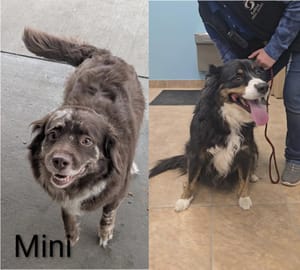
Instead of buying a puppy this Christmas, consider adopting. The Salina Animal Shelter has incredible dogs and cats waiting for safe, loving homes. If you’re thinking about adding a pet to the family, this is a chance to give an animal a real second start. ADOPT HERE
The department also recorded 708 adoptions year-to-date, moving a substantial portion of the shelter population into permanent homes. Adoption levels have remained steady throughout the year, even as intake numbers increased during spring and summer.
In addition, 457 animals were reclaimed by owners, a figure that includes dogs, cats, and small animals returned following impoundment. Shelter officials have repeatedly noted that reclaim rates often improve when animals arrive with tags or microchips, though the report does not include a breakdown of those numbers.
Medical services continue to represent a major share of the department’s workload. Through November, 960 animals have been spayed or neutered, a number that covers shelter animals as well as cases connected to community partnerships. The report also notes 194 cats processed through the TNR program, which focuses on trapping, sterilizing, vaccinating, and returning community cats in an effort to stabilize outdoor populations.
The year-to-date totals reflect the scope of activity handled by the shelter’s small staff, which manages intake, animal care, field operations, public adoptions, and medical coordination. The report does not provide comparative data from previous years, but the volume aligns with trends Salina Animal Services has reported throughout 2025, particularly during peak seasonal months.
Animal Services will continue tracking final 2025 totals as December activity concludes.